Undescended Testicle
An undescended testicle occurs when one or both testicles do not reach their normal position inside the scrotum. The condition is often identified during a newborn examination, and early assessment helps determine whether observation or surgical treatment is appropriate.
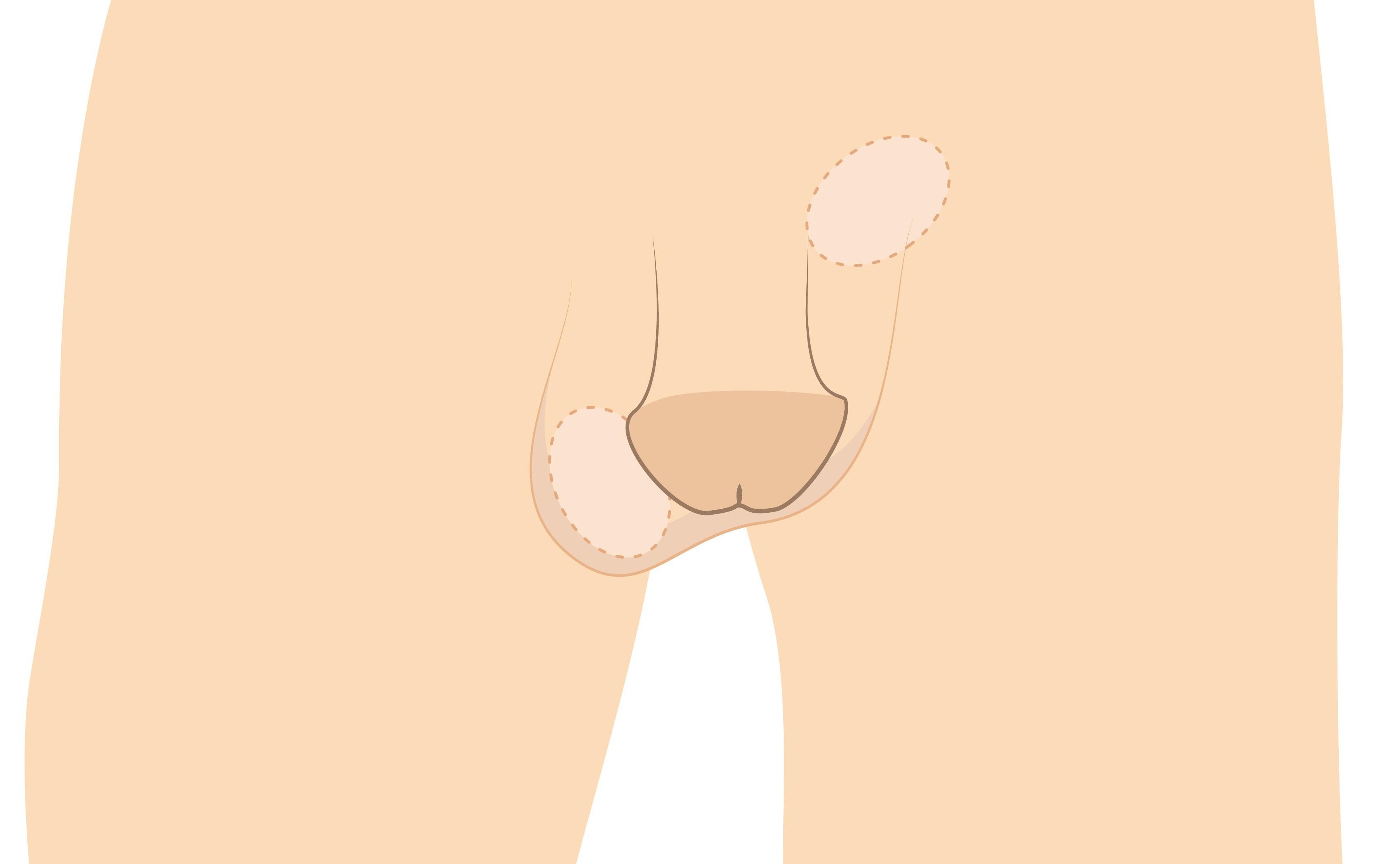
Overview
The testicles develop inside the abdomen during pregnancy and normally descend into the scrotum before birth. When this process stops or remains incomplete, the condition is known as an undescended testicle, or cryptorchidism.
The testicle may be palpable in the groin, or it may be located higher in the abdomen and cannot be felt during an external examination. One or both testicles may be affected.
Some undescended testicles descend naturally during the first few months after birth. If the testicle has not reached the scrotum by around 6 months of age, corrected for prematurity when applicable, spontaneous descent becomes less likely and specialist assessment is recommended.
One or both testicles may be affected
Physical examination is the main first step
Specialist assessment is recommended if it persists beyond 6 months
Surgical placement in the scrotum when required
What is an Undescended Testicle?
During normal fetal development, the testicles move from the abdomen into the scrotum. If a testicle stops anywhere along this pathway and does not reach its normal position, it is considered undescended.
The testicle may be located in the inguinal canal or higher within the abdomen.
An undescended testicle should also be distinguished from a retractile testicle. A retractile testicle can usually be gently moved into the scrotum during examination and remain there temporarily, whereas a true undescended testicle does not remain normally positioned in the scrotum.
Causes
In many children, there is no single identifiable cause of an undescended testicle. Testicular descent is a complex developmental process influenced by hormonal, anatomical and fetal developmental factors.
Factors associated with a higher likelihood of an undescended testicle include:
• Premature birth.
• Low birth weight.
• A family history of undescended testicles.
• Certain conditions affecting fetal development.
Having one of these factors does not necessarily mean that a child will develop the condition.
Diagnosis
Diagnosis begins with a physical examination. The doctor examines the scrotum and groin to determine whether the testicle can be felt, where it is located and whether it can be moved into the scrotum.
The examination also helps distinguish an undescended testicle from a retractile or ascending testicle.
Routine imaging such as ultrasound or MRI is usually not required before specialist evaluation.
If the testicle cannot be felt, a pediatric surgeon may recommend further evaluation. In some cases, laparoscopy may be used to locate an abdominal testicle and help determine the appropriate treatment.
Treatment
If the testicle does not descend naturally during early infancy, the most common treatment is a surgical procedure called orchiopexy. During the procedure, the surgeon moves the testicle into the scrotum and secures it in its normal position.
The timing of surgery depends on the child's age, general health and the position of the testicle. When appropriate, treatment is commonly recommended between 6 and 18 months of age.
The surgical approach is determined by the pediatric surgeon's examination and the position of the testicle.
If the testicle is palpable on examination, orchiopexy is usually performed through an open surgical approach.
If the testicle is nonpalpable on examination, laparoscopic exploration is performed to locate and assess it. The testicle may then be fixed laparoscopically when its condition and position allow. Some cases may require treatment in one or more stages depending on the operative findings.
If an inguinal hernia is present, it may also be repaired during the same operation when appropriate.
Hormonal treatment is less effective than surgery for bringing the testicle into the scrotum and is therefore not routinely recommended as an alternative to surgical treatment.
Before Surgery
Before orchiopexy, the child is evaluated and the surgeon determines the location of the testicle and the most appropriate surgical approach.
Parents should follow the medical team's instructions regarding preparation for surgery, particularly fasting and medications.
The surgical team should also be informed if the child develops a fever, infection, new illness or other significant symptoms before the scheduled procedure, or if the child regularly takes medication.
Before surgery, parents can discuss:
• The planned surgical approach.
• Anesthesia.
• Fasting instructions.
• Wound care.
• Activity during recovery.
• The follow-up schedule.
After Surgery and Follow-up
After orchiopexy, parents receive instructions for caring for the child and the surgical wound at home.
Some discomfort or mild swelling around the surgical area may occur during the early recovery period. Prescribed pain medication should be used according to the medical team's instructions.
Parents should follow the surgeon's instructions regarding bathing, wound care and physical activity. Activities that place direct pressure on the surgical area should be avoided until the surgeon advises that they can be resumed.
Follow-up is important to confirm that the testicle remains in the correct position and continues to develop appropriately.
The medical team should be contacted if the child develops:
• A significant fever.
• Increasing redness or swelling.
• Wound discharge.
• Persistent bleeding.
• Severe or worsening pain despite prescribed treatment.
• Repeated vomiting.
• Difficulty urinating.
The treating surgeon's postoperative instructions should always take priority for the individual child.
Frequently Asked Questions
Can an undescended testicle descend on its own?
Yes. Some testicles descend naturally during the first few months after birth. If the testicle remains outside the scrotum at around 6 months of age, spontaneous descent becomes less likely and specialist assessment is recommended.
Does every undescended testicle require surgery?
Treatment depends on the child's age, the location of the testicle and the examination findings. If the testicle remains undescended after early infancy, orchiopexy is the most common treatment.
What is the difference between an undescended and a retractile testicle?
A retractile testicle can usually be moved into the scrotum during examination and remain there temporarily. A true undescended testicle does not reach or remain normally positioned in the scrotum.
When is orchiopexy usually performed?
The exact timing depends on the individual child, but treatment is commonly recommended between 6 and 18 months of age when the child is suitable for surgery.
Does my child need an ultrasound?
In most cases, the initial diagnosis is based on physical examination and routine imaging is not necessary before specialist assessment. If the testicle cannot be felt, the pediatric surgeon will determine whether further evaluation is needed.
Why is treatment important?
Positioning the testicle in the scrotum supports appropriate development and makes future examination easier. Untreated undescended testicles are also associated with increased long-term risks, including fertility problems and a higher risk of testicular cancer.
Is follow-up needed after surgery?
Yes. Follow-up allows the surgeon to confirm that the testicle remains in the correct position and to monitor its development after treatment.
Book Your Consultation
If your child has an undescended testicle or you have questions about diagnosis or treatment timing, you can book a consultation for an individual assessment and treatment plan.