Circumcision
Circumcision is a procedure in which the foreskin, the skin covering the head of the penis, is removed. It may be performed for religious, cultural or family reasons, and it may also be recommended for certain medical conditions. Assessment before the procedure helps determine the appropriate timing and approach and ensures that there is no condition requiring circumcision to be delayed or planned differently.
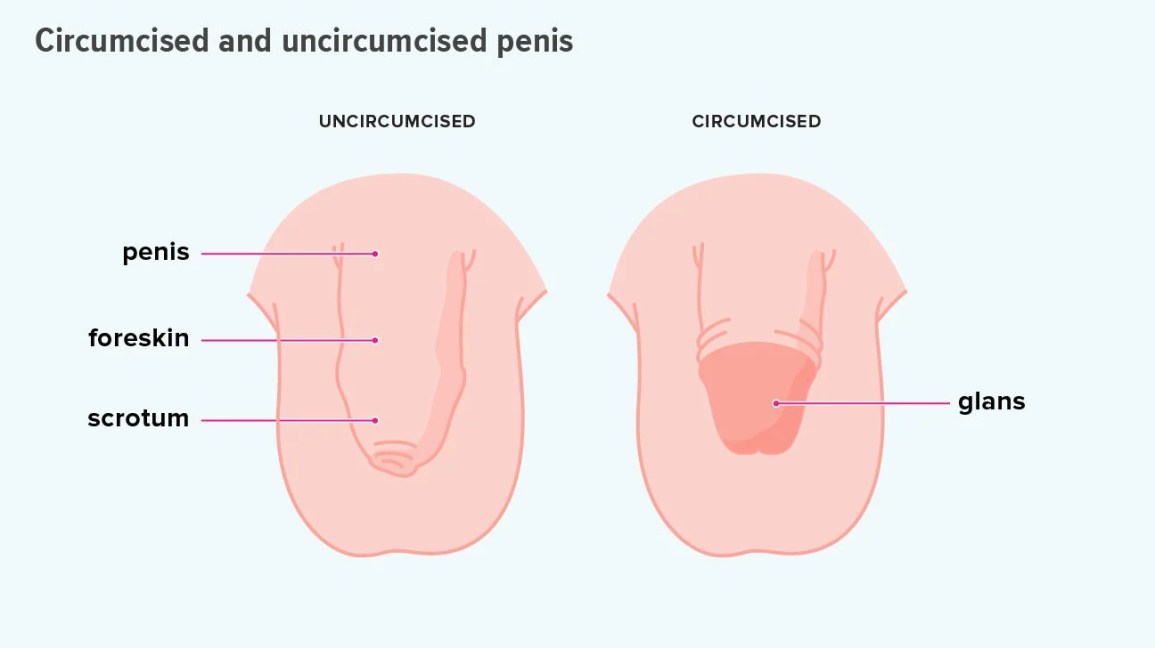
Overview
Circumcision is a surgical procedure that removes the foreskin covering the head of the penis.
Families may choose circumcision for religious, cultural or personal reasons. There are also medical situations in which circumcision may form part of treatment, including certain cases of pathological phimosis or recurrent inflammation.
Inability to retract the foreskin in a young child does not necessarily indicate a problem. In many boys, the foreskin is naturally non-retractile during the early years and gradually becomes retractable as the child grows.
The foreskin should therefore not be forcibly retracted, as forceful retraction can cause injury and scarring.
Removal of the foreskin covering the head of the penis
Examination before circumcision to confirm suitability
Selected according to the child's age and procedure
Clear wound-care instructions after circumcision
What is Circumcision?
Circumcision is the surgical removal of part or most of the foreskin that covers the head of the penis.
The procedure is performed using an appropriate surgical technique with measures to control pain and bleeding while preserving healthy surrounding tissue.
The exact technique may vary according to the child's age, penile and foreskin anatomy, and whether circumcision is being performed electively or for a medical indication.
Before circumcision, it is important to confirm that penile anatomy is normal and that there is no condition in which the foreskin may later be needed for reconstructive surgery.
When is Circumcision Performed?
Circumcision may be chosen by a family for religious, cultural or personal reasons. It may also be recommended for certain medical conditions.
Medical reasons that may lead to consideration of circumcision include:
• Symptomatic pathological phimosis that has not responded to appropriate treatment.
• Recurrent inflammation or infection of the foreskin and glans.
• Certain chronic scarring conditions of the foreskin, including lichen sclerosus.
• Selected children at increased risk of recurrent urinary tract infections because of specific urinary tract abnormalities.
Normal physiological non-retractability of the foreskin in a young child, without troublesome symptoms, does not by itself mean that surgery is required.
Assessment Before Circumcision
Assessment begins with examination of the penis, foreskin and position of the urethral opening.
This is important because simple circumcision should not be performed before specialist evaluation when certain abnormalities are present, including:
• Hypospadias.
• Buried penis.
• Certain forms of congenital penile curvature.
• Epispadias.
• Other congenital penile abnormalities.
• Acute infection at the planned surgical site.
In some of these conditions, foreskin tissue may be required for later reconstructive surgery.
Parents should also inform the doctor about chronic medical conditions, regular medications and any previous concerns about abnormal bleeding.
How is Circumcision Performed?
Circumcision is performed after the child has been assessed and an appropriate technique has been selected.
The procedure involves removing the appropriate amount of foreskin, controlling bleeding and protecting the surgical area.
Appropriate anesthesia and pain relief are used. The type of anesthesia depends on the child's age, the planned technique and the child's general medical condition.
Dissolvable stitches may be used with some techniques. Dressing and wound-care instructions vary according to the procedure performed.
Parents receive clear instructions for caring for the child after the procedure.
Before Surgery
Parents should follow the medical team's instructions for preparing the child for circumcision.
Preparation may include:
• Following fasting instructions when anesthesia is planned.
• Informing the doctor about all medications the child takes.
• Informing the doctor about any bleeding disorder or previous unusual bleeding.
• Contacting the medical team if the child develops fever, infection or a new illness before the procedure.
• Avoiding creams or products on the surgical area unless instructed by the medical team.
If examination identifies a congenital penile abnormality, circumcision may be postponed until the condition has been properly assessed and an appropriate treatment plan has been made.
After Surgery and Follow-up
Some mild swelling, redness or tenderness around the surgical area may occur during the early period after circumcision.
Pain medication should be given as directed, and parents should follow the surgeon's instructions regarding dressings, cleaning and bathing.
For children who wear diapers, regular diaper changes help keep the area clean.
Older children may need to avoid activities that cause friction or direct pressure on the surgical area until the surgeon advises that they can resume them.
The medical team should be contacted if the child develops:
• Persistent or increasing bleeding.
• Redness or swelling that continues to worsen.
• Discharge or clear signs of infection.
• A significant fever.
• Severe or increasing pain despite prescribed treatment.
• Difficulty or inability to urinate.
• Any change in the surgical area that causes concern.
The treating surgeon's postoperative instructions should always take priority for the individual child.
Frequently Asked Questions
Is circumcision medically necessary for every child?
No. Families may choose circumcision for religious, cultural or personal reasons, but not every child requires circumcision for medical reasons. Certain medical conditions may make circumcision part of treatment, and this is determined after assessment.
Does a non-retractile foreskin mean my child needs surgery?
Not necessarily. A non-retractile foreskin is common and often normal in young boys, and retractability usually develops gradually with age. The foreskin should not be forcibly retracted.
Can a child with hypospadias be circumcised?
Simple circumcision should not be performed before specialist assessment in a child with hypospadias because the foreskin may be needed during reconstructive surgery.
Does a child need anesthesia for circumcision?
Appropriate pain control should be provided during circumcision. The type of anesthesia depends on the child's age, surgical technique and medical condition, and is selected by the medical team.
What medical conditions may require circumcision?
Examples include treatment-resistant pathological phimosis, recurrent inflammation or infection, certain chronic scarring conditions of the foreskin and selected children with urinary tract abnormalities who are at increased risk of recurrent urinary tract infections.
What should parents expect after circumcision?
Some mild redness, swelling and tenderness can occur during the early recovery period. Parents should follow the surgeon's instructions regarding wound care, pain medication and activity.
When should I contact the doctor after circumcision?
Medical advice should be sought for persistent bleeding, worsening redness or swelling, discharge, significant fever, severe pain or difficulty urinating.
Book Your Consultation
If you would like your child assessed before circumcision or have questions about timing, foreskin problems or whether circumcision is appropriate, you can book a consultation for an individual evaluation.