Gallstones
Gallstones are solid deposits that form inside the gallbladder from components of bile. They may exist without causing symptoms, while in some children they can lead to abdominal pain, gallbladder inflammation or blockage of the bile ducts. Treatment depends on symptoms, stone location and whether complications are present.
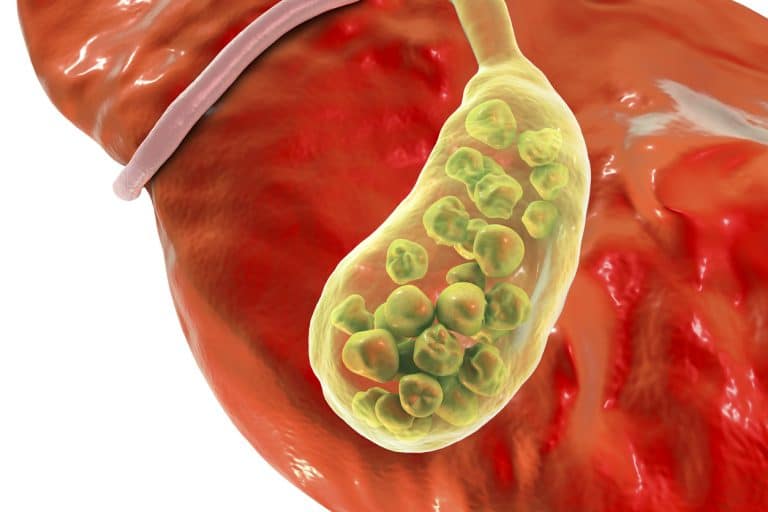
Overview
The gallbladder is a small organ beneath the liver that stores bile produced by the liver to help digest fats.
Components of bile can sometimes collect and harden into stones inside the gallbladder. This condition is known as cholelithiasis.
A child may have one stone or several stones of different sizes.
Some children have gallstones without symptoms, and the stones are discovered incidentally during an ultrasound performed for another reason.
Problems can develop when a stone blocks the outlet of the gallbladder or moves into one of the bile ducts, causing pain, inflammation or other complications.
Stones form inside the gallbladder
Ultrasound is the main imaging test
May cause abdominal pain, nausea or vomiting
Depends on symptoms and complications
What are Gallstones?
The gallbladder stores bile produced by the liver and releases it into the intestine to help digest food.
Bile contains several substances, including cholesterol, bilirubin and bile salts.
When the balance of these substances changes or certain materials collect inside the gallbladder, crystals may form and gradually develop into stones.
Two major types of gallstones are:
• Cholesterol stones.
• Pigment stones, which are associated more closely with bilirubin.
Gallstones may remain inside the gallbladder without causing problems, or they may move and obstruct part of the biliary system.
Causes and Risk Factors
There is no single cause responsible for every case of gallstones in children.
Certain conditions and factors may increase the likelihood of gallstone formation, including:
• Some blood disorders that cause increased breakdown of red blood cells.
• Overweight or obesity.
• Rapid weight loss.
• A family history of gallstones.
• Certain chronic diseases affecting the liver or intestine.
• Some medications or medical treatments.
• Other factors depending on the child's age and medical condition.
Having one of these risk factors does not necessarily mean that a child will develop gallstones.
In some children, stones develop without a clearly identifiable cause.
Symptoms and Diagnosis
Symptoms:
Gallstones may cause no symptoms at all.
When symptoms occur, a child may experience:
• Pain in the upper right side of the abdomen.
• Upper abdominal pain after meals in some cases.
• Nausea.
• Vomiting.
• Reduced appetite or discomfort after eating.
If inflammation or bile duct obstruction develops, symptoms may become more significant and can include:
• Persistent or severe abdominal pain.
• Fever.
• Yellowing of the skin or eyes.
• Dark urine.
• Pale stools.
• Repeated vomiting.
Gallstones can sometimes lead to complications such as cholecystitis, bile duct infection or pancreatitis.
Diagnosis:
Assessment begins with the child's symptoms and medical history followed by examination of the abdomen.
Ultrasound is the main imaging test used to identify gallstones and evaluate the gallbladder.
Blood tests may also be requested to assess:
• Infection or inflammation.
• Liver function.
• Evidence of bile duct obstruction.
• Signs associated with pancreatitis when this is suspected.
If a stone in the bile ducts is suspected, additional imaging such as magnetic resonance cholangiopancreatography, or MRCP, may be used.
In selected cases, endoscopic retrograde cholangiopancreatography, or ERCP, can be used to evaluate and remove stones from the common bile duct.
Treatment & When Urgent Assessment is Needed
Treatment:
Treatment depends on whether the gallstones are causing symptoms or complications, the underlying cause and the child's overall medical condition.
If stones are discovered incidentally and do not cause symptoms, immediate treatment may not be required. The specialist determines whether observation and follow-up are appropriate according to the individual child and associated risk factors.
When gallstones cause recurrent pain, gallbladder inflammation or other complications, removal of the gallbladder may be recommended.
Gallbladder removal is called cholecystectomy and is usually performed laparoscopically through several small abdominal incisions.
When surgery is performed for stones within the gallbladder, the gallbladder itself is removed together with the stones rather than simply removing the stones and leaving the gallbladder in place.
A child can live normally without a gallbladder. Bile continues to be produced by the liver and flows directly into the intestine.
If a stone is present in the common bile duct, an additional procedure such as ERCP may be required to remove it.
The treatment plan varies when inflammation, obstruction or pancreatitis is present.
When is Urgent Assessment Needed?
Prompt medical assessment is important when symptoms suggest inflammation or obstruction within the biliary system.
Concerning symptoms include:
• Severe or persistent upper abdominal pain.
• Abdominal pain accompanied by fever.
• Repeated vomiting.
• Yellowing of the skin or eyes.
• Dark urine or pale stools.
• A child who appears increasingly unwell.
• Severe pain with inability to tolerate food or fluids.
These symptoms may indicate gallbladder inflammation, bile duct obstruction or another complication requiring timely treatment.
Before Surgery
If gallbladder removal is recommended, the medical team evaluates the child, reviews relevant investigations and plans the appropriate surgical approach.
Parents should follow instructions regarding fasting and medications before anesthesia.
The medical team should be informed if the child:
• Takes regular medication.
• Has medication allergies.
• Has a known bleeding problem.
• Develops fever, infection or a new illness before surgery.
• Has another medical condition that may affect surgery or anesthesia.
Before surgery, parents may discuss:
• Why gallbladder removal is recommended.
• The surgical approach.
• Anesthesia.
• Whether bile duct stones are suspected.
• Wound care.
• Diet and activity after surgery.
• Follow-up arrangements.
After Surgery and Follow-up
After cholecystectomy, parents receive instructions regarding wound care, medication, activity and diet.
Some discomfort around the surgical incisions may occur during the early recovery period.
Pain medication should be used as directed, and instructions regarding bathing and wound care should be followed.
The body continues to digest food without the gallbladder because bile produced by the liver flows directly into the intestine.
Some children may temporarily notice softer or more frequent stools after gallbladder removal, and this commonly improves with time.
Return to school, sports and normal activity should follow the treating surgeon's instructions according to the child's condition and surgical approach.
The medical team should be contacted if the child develops:
• A significant fever.
• Severe or increasing abdominal pain.
• Increasing redness, swelling or discharge from a wound.
• Repeated vomiting.
• Yellowing of the skin or eyes.
• Significant abdominal swelling.
• Inability to tolerate adequate fluids.
• Any new symptom that concerns the family.
The treating medical team's postoperative instructions should always take priority for the individual child.
Frequently Asked Questions
Does every child with gallstones need surgery?
No. Gallstones discovered incidentally without symptoms may not require immediate surgery. Treatment depends on symptoms, the cause of stone formation, associated risk factors and the child's overall medical condition.
What are common symptoms of gallstones?
Gallstones may cause upper right abdominal pain, nausea or vomiting. Some children have no symptoms and the stones are discovered incidentally.
What is the main test used to diagnose gallstones?
Ultrasound is the main imaging test used to identify gallstones and evaluate the gallbladder.
Are only the stones removed during surgery?
When surgery is required for stones within the gallbladder, the usual treatment is removal of the gallbladder itself together with the stones through a procedure called cholecystectomy.
Can a child live normally without a gallbladder?
Yes. The gallbladder stores bile but is not essential for life. After removal, bile continues to flow directly from the liver into the intestine.
What is ERCP?
ERCP is an endoscopic procedure that can access the bile ducts and may be used to remove a stone trapped in the common bile duct when appropriate.
When are gallstones an emergency?
Urgent assessment is important when a child develops severe or persistent abdominal pain together with fever, repeated vomiting, jaundice or a significant deterioration in general condition, as these may indicate inflammation or obstruction.
Can gallstones cause pancreatitis?
Yes. A stone that obstructs the area where the bile and pancreatic ducts drain can sometimes trigger pancreatitis, which requires medical assessment and treatment.
Book Your Consultation
If your child has recurrent upper abdominal pain or gallstones have been identified on imaging, you can book a consultation to assess whether observation or surgical treatment is appropriate.